
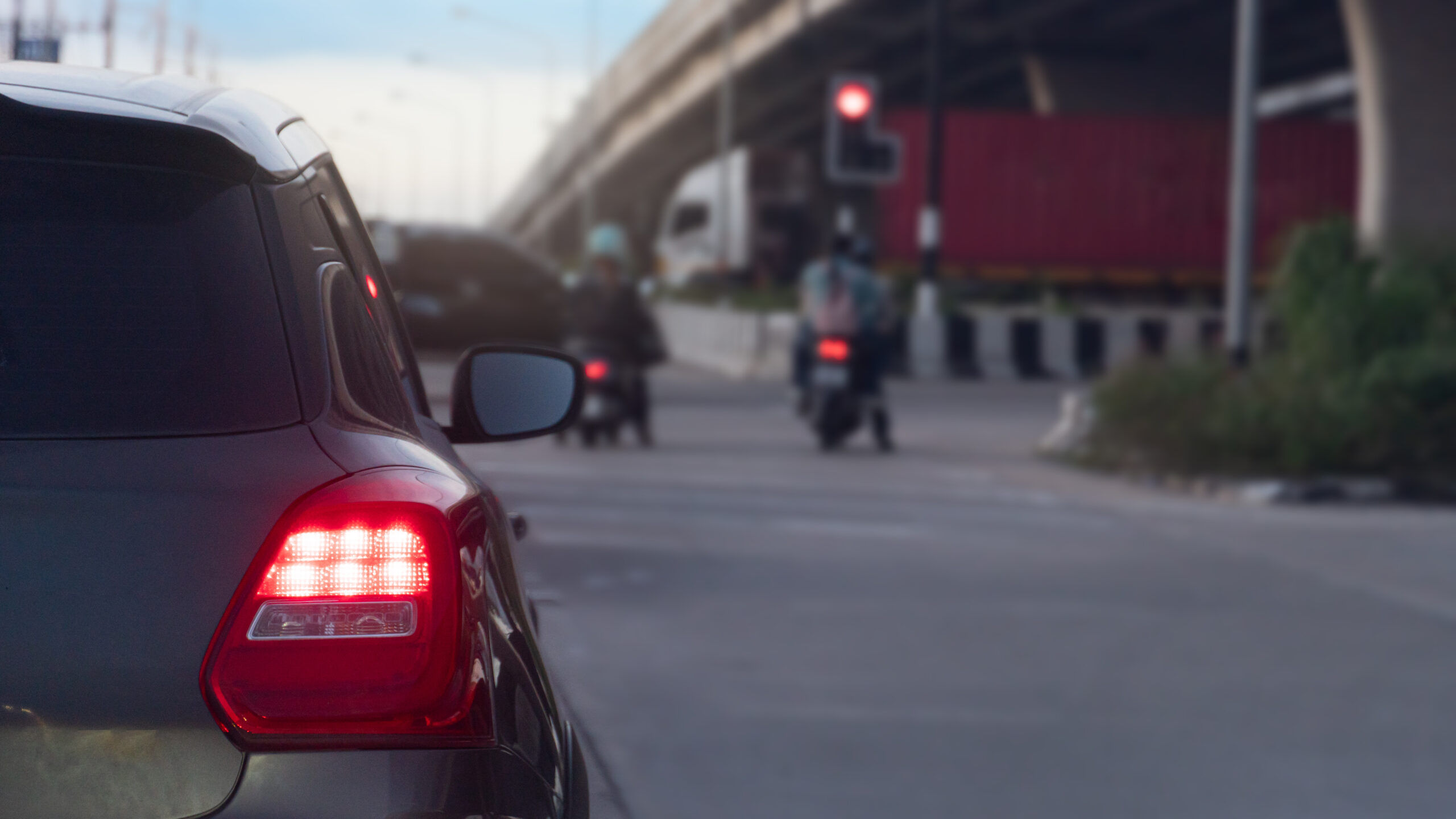
A new campaign by GEM Motoring Assist has urged all motorists to think twice before running red lights.
Doing so was not taking a ‘cheeky shortcut’ but a reckless gamble that puts vulnerable road users including motorcyclists in grave danger.
The call came after Police Scotland revealed the scale of the problem of ‘red light runners’ by all motorists in its jurisdiction. The data reveals that over 14,000 offences of failing to comply with a red traffic light signal were logged between January 2023 and March 2026. While not released, it is thought that the figures for all police forces in England including London would show offences in the same proportions.
These figures underline that this is not a marginal problem but a persistent behaviour that increases risk at already hazardous locations.
GEM says the numbers are a stark reminder that junctions remain high-risk places, where pedestrians, cyclists, motorcyclists and people crossing the road legally, can be placed directly in harm’s way.
But it is important to point out that while we can be the victims here if a car or van does cross our path after running a red when we’re not expecting it, it’s our responsibility to stick to the rules on traffic lights too. Gambling on running a red light on our bikes is taking a real risk that could leave us badly injured – or worse.
GEM reminded all motorists that an amber light means prepare to stop – not accelerate up to and across the junction, which could leave us at risk of crossing the white line after it has turned red.
James Luckhurst, head of road safety at GEM Motoring Assist, said:
“Running a red light is not a harmless shortcut or a bit of cheeky driving. It is a deliberate decision that gambles with the safety of other people who have the right to expect protection from the signals. The ones who pay the highest price are often those least protected – people on foot, on bicycles or on motorcycles.
“We all have a duty to avoid causing harm to others on the road. We should assume that a red light is there because someone else, somewhere on that junction, may well be about to rely on it. If you choose to ignore it, you’re not just breaking the law – you’re gambling with their priority and potentially their life.”